Voice
Misto Dadar Mukri
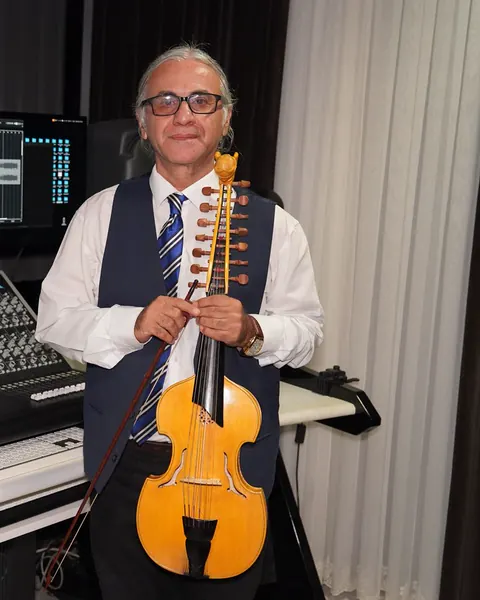
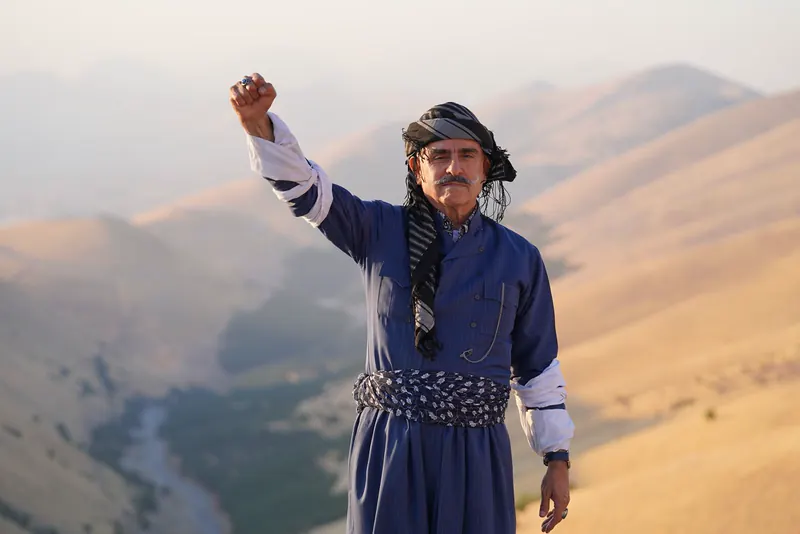
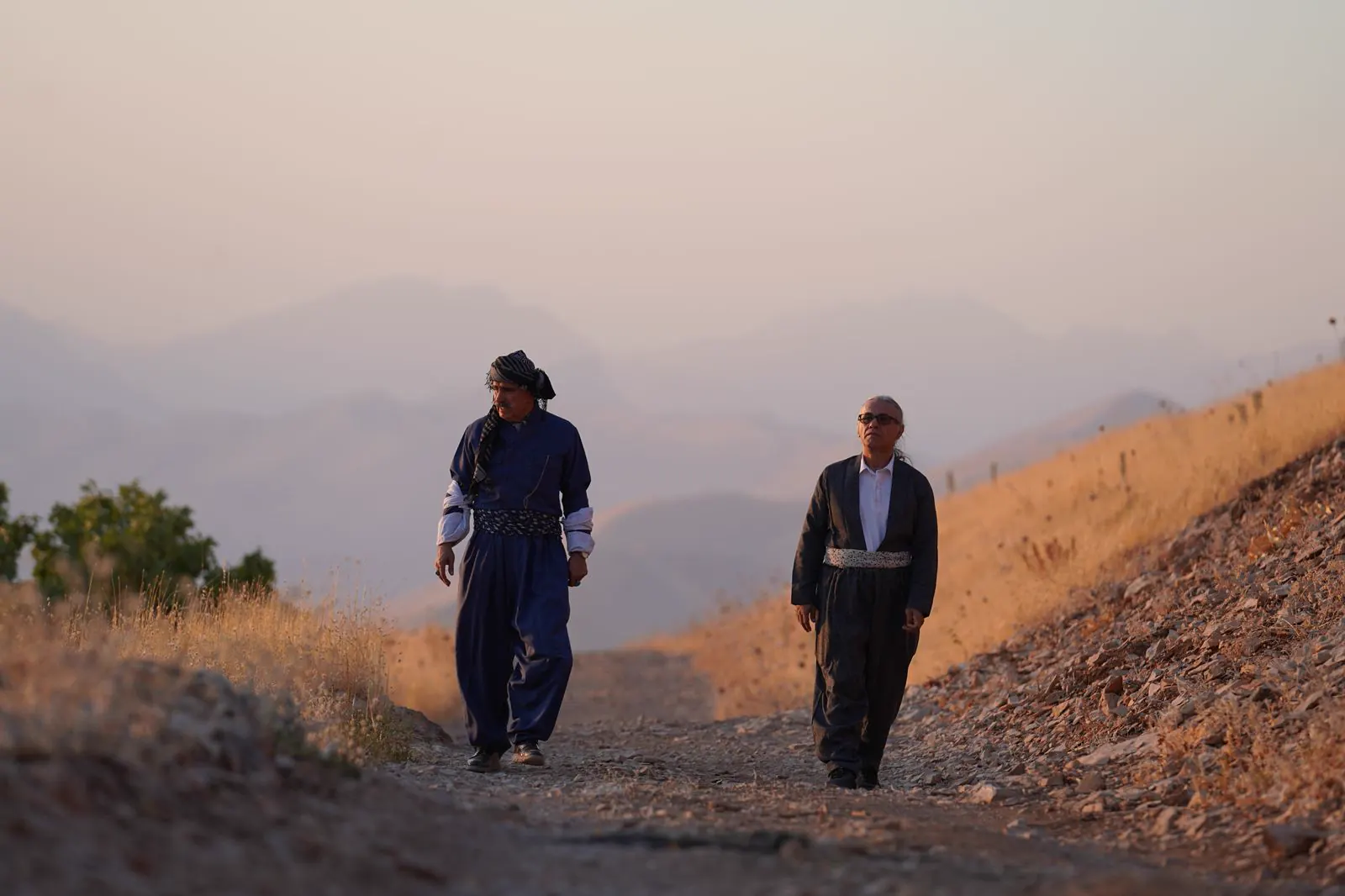
Misto Dadar Mukri is a renowned Kurdish vocalist, celebrated for the clarity of his voice and his compelling performances of Kurdish patriotic songs and anthems. Over several decades of artistic work, he has taken part in numerous concerts, festivals, and musical and cultural projects in Kurdistan and across Europe.
Read more
Misto Dadar Mukri was born on 1 November 1961 in Sablakh (Mahabad). He made his stage debut in 1976, performing in the operetta Guli Xwinawi (The Bloodstained Flower), and began his career as a singer of songs and anthems. Through his performances of patriotic and national songs, he established a reputation as a talented and accomplished vocalist.
In 1981, he worked as a teacher for two years, during which time he also took part in several festivals and artistic events. From 1983, he began performing a wider repertoire of emotive songs, distinguished by a colour and sensibility close to the operatic tradition. This helped him further develop his distinctive artistic identity.
In 1984, he participated in a number of Kurdish literary and cultural events alongside the celebrated Kurdish poet Hemin Mukriyani, travelling from cities across Eastern Kurdistan to Kermanshah. These events became an important part of his artistic and cultural experience, strengthening the connection between Kurdish music and literature.
Since 1987, Misto Dadar has lived in the Netherlands. Over the years, he has taken part in a wide range of significant cultural and musical activities and projects. These include Halabja the Martyr, a collaborative project concerning the Armenian Genocide, and a live orchestral performance. In 1989, he performed in a jazz octet with the renowned Dutch pianist Kees Post. He also took part in activities at the Groningen Conservatoire in the north of the Netherlands, as well as the projects Kolane Aw Pirzhin Dakam and a choral orchestra with Dutch musician and guitarist Bert Heikema. Alongside these engagements, he has contributed to artistic projects and events connected with migrant communities, particularly the Kurdish diaspora.
In 1991, he worked prominently with Dutch artists to raise funds for the Kurdish refugee exodus from southern Kurdistan. In 1993, he took part in a dramatic production addressing the condition of those left disabled by war and the crimes committed by the Nazis in the aftermath of the Second World War. He has also appeared at numerous other music festivals and events in the Netherlands, collaborating with musicians including Bert Heikema and Jan Schoenmaker.
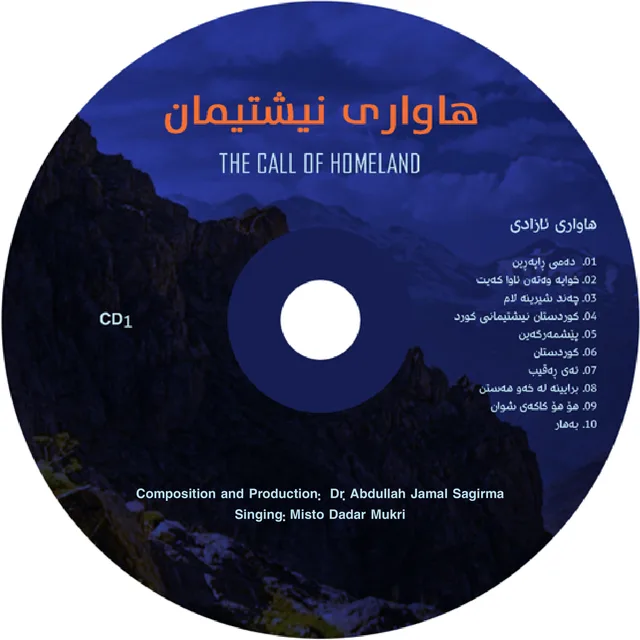
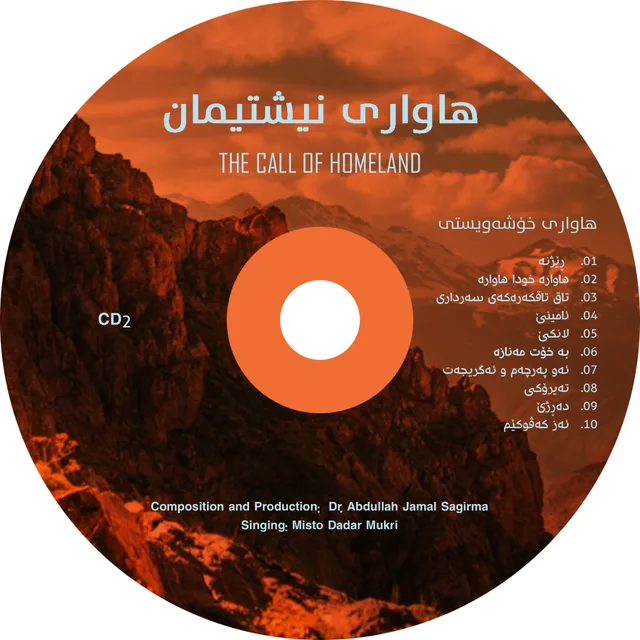
In 2005, in collaboration with teachers Sherko Mohammed Saleh and Ako Aziz Enayat, Misto Dadar released a CD entitled Woman, featuring Kurdish songs and patriotic anthems. The album formed part of his continuing efforts to preserve and develop Kurdish song and anthem, and to pass this rich musical heritage on to future generations.
Now 64, Misto Dadar Mukri continues to perform Kurdish songs and patriotic anthems, drawing on his extensive experience in singing and cultural activity, as well as his distinctive talent and expressive sensibility. His singular voice, interpretative style and breadth of experience form part of the living memory and continuing legacy of Kurdish song—past, present and future.